Apricot Varieties for Eastern Washington
Cold-hardy apricot varieties chosen for the Palouse climate — late bloomers that can handle our unpredictable springs.
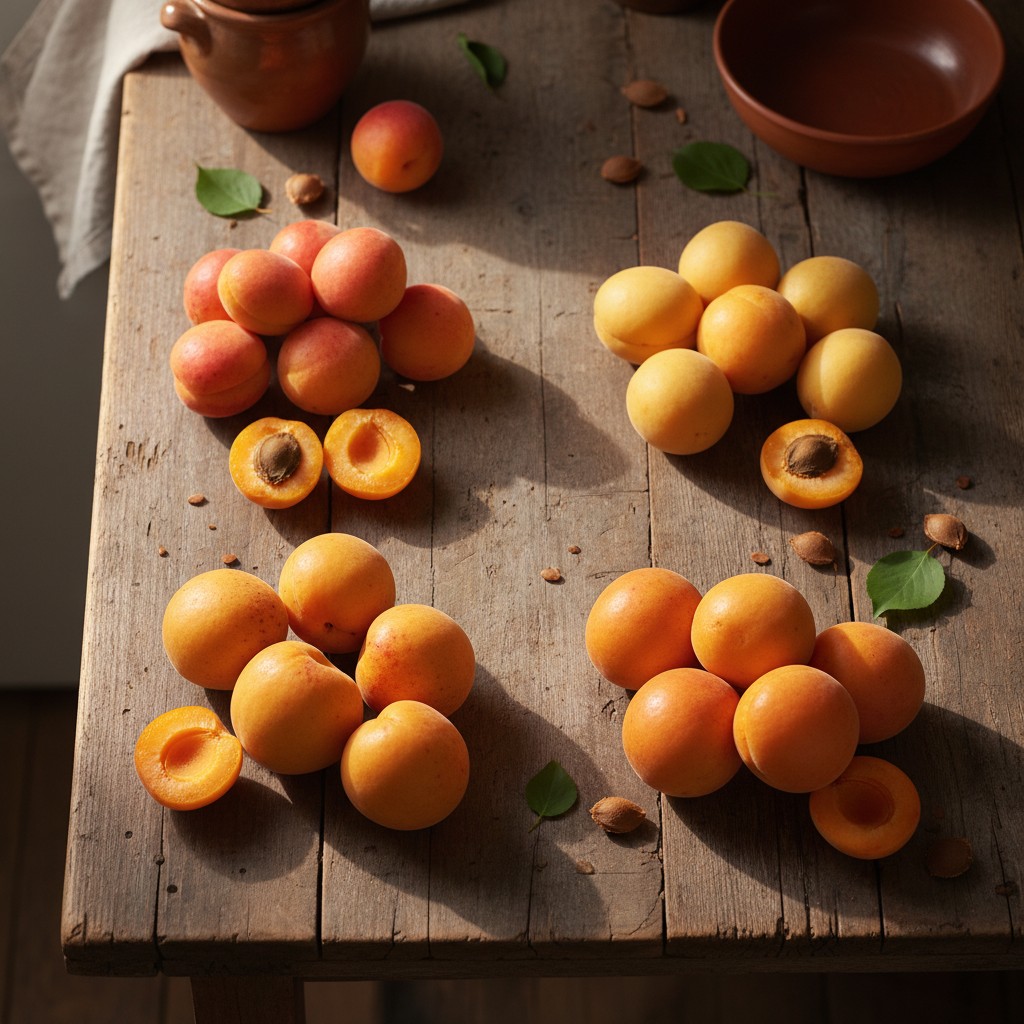
Why Apricots on the Palouse?
Apricots are a calculated gamble in eastern Washington. The trees themselves are cold-hardy enough for USDA Zone 6b, but they bloom early — often before the last spring frost. That makes variety selection critical. We're planting cultivars known for later bloom times and proven cold tolerance, and we've positioned them in the warmest microclimate on our property to give them the best shot.
When they produce, fresh apricots are extraordinary — nothing like the mealy, flavorless fruit shipped across the country. A tree-ripened apricot is intensely sweet, fragrant, and worth the effort. Apricot trees typically begin bearing fruit 3–4 years after planting.
Our Varieties
Moorpark
Harvest: Late July – Early August
One of the oldest and most beloved apricot varieties, dating back to the 1700s. Moorpark produces large, deeply colored fruit with rich, complex flavor — widely considered the gold standard for fresh eating. The trees are vigorous and productive, though they bloom early and benefit from a sheltered planting site. Chill hours: ~600.
Tilton
Harvest: Late July – August
A Pacific Northwest classic — Tilton was the dominant commercial apricot variety in Washington State for decades. It's reliable, cold-hardy, and productive, with medium-sized fruit that's excellent for canning, drying, and jam. The flavor is tangy-sweet with firm flesh that holds up well to processing. Tilton blooms slightly later than Moorpark, giving it a better chance of avoiding late frost. Chill hours: ~600.
Goldcot
Harvest: Mid-July – Late July
Developed by Michigan State University specifically for cold climates, Goldcot is one of the hardiest apricot varieties available. The fruit is medium-sized and bright golden-orange with a sweet, mild flavor. What sets Goldcot apart is its late bloom time and exceptional cold tolerance — it regularly produces in zones where other apricots fail. Chill hours: ~700. Hardy to -20°F.
Puget Gold
Harvest: Late July
Bred by Washington State University for the Pacific Northwest, Puget Gold is adapted to the region's cooler, wetter springs. It blooms later than most apricots, has good disease resistance, and produces sweet, medium-large fruit with beautiful orange skin and a red blush. Its WSU pedigree makes it a natural fit for the Palouse. Chill hours: ~600.
Pollination
Most apricot varieties are self-fertile, meaning a single tree can produce fruit on its own. However, planting multiple varieties improves pollination rates and fruit set. Our four varieties bloom in overlapping windows, providing good cross-pollination opportunities. Apricots are primarily bee-pollinated, and our orchard's proximity to local pollinator habitat helps ensure good coverage.
The Frost Challenge
The biggest risk for apricots on the Palouse isn't winter cold — it's late spring frost during bloom. Apricot blossoms are delicate, and a single hard frost during flowering can wipe out an entire year's crop. We're mitigating this risk by selecting late-blooming varieties, planting on a slight slope for cold air drainage, and keeping the orchard floor clear to allow soil heat to radiate upward on cold nights.
Some years we'll get a great apricot crop, and some years we won't. That's the honest reality of growing apricots at our latitude. But when they do produce, there's nothing quite like it.